


What are Brain Tumors?
Brain tumors are masses that result from the uncontrolled growth of cells in the brain. Some are benign, while others are malignant. The tumor's location, size, and rate of spread directly impact symptoms and treatment.
Brain tumors typically appear in adults after age 30 and can present in a wide variety of forms. The tumor type, location, and growth rate directly impact symptoms and treatment options.
Surgery is a life-saving and quality-of-life improving treatment option for suitable patients.
What are the symptoms?
Brain tumors can present with different symptoms:
-
Headache (especially worse in the morning)
-
Nausea, vomiting
-
Blurred vision or double vision
-
Weakness or numbness in the arm or leg
-
Speech disorder
-
Loss of balance
-
Onset of epilepsy (seizure)
These symptoms may not always indicate a tumor, but if there are persistent or worsening symptoms, they should definitely be evaluated.


Diagnosis
-
Magnetic Resonance Imaging (MRI)
-
Tomography (CT)
-
Functional MRI (if the tumor is close to the center of speech and movement)
-
PET-CT (especially in metastases)
-
Biopsy (with stereotactic method if necessary)
Benign Brain Tumors
Benign Tumors:
-
Meningioma : Generally slow-growing. It can be largely cured with surgery.
-
Pituitary Adenoma : May cause vision loss and hormonal disorders.
-
Vestibular Schwannoma (CPA Tumor) : It may cause tinnitus and hearing loss.


Our Surgical Approach
-
Surgical planning is made by taking into consideration the location and type of tumor and the functional status of the patient.
Our goal is to preserve critical areas of the brain while achieving maximum tumor removal. -
Advanced surgical techniques I use:
-
Microscopic Tumor Resection
-
Neuronavigation (brain GPS)
-
Neuromonitoring (protection of movement-speech centers)
-
Intraoperative ultrasound/endoscopy
-
Evaluation in multidisciplinary tumor councils
-
-
After the surgery, patients are regularly monitored and, if necessary, the treatment process is planned in collaboration with the oncology team.

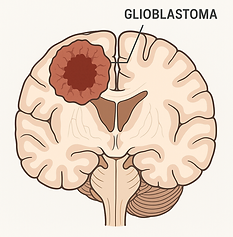
Malignant Brain Tumors
Glioblastoma (GBM) : One of the most aggressive brain tumors. Surgery, radiotherapy, and chemotherapy are combined.
Astrocytoma , Oligodendroglioma : May be low or high grade depending on the genetic subtype.
Metastatic Tumors : Spread to the brain from another part of the body (lung, breast, skin).
Multidisciplinary Support
All our patients are evaluated by councils of experts and monitored with a personalized treatment protocol:
-
Radiation oncology
-
Medical oncology
-
Pathology
-
Neuroradiology

Frequently Asked Questions (FAQ)
Will the tumor recur even if it is removed?
Some malignant tumors have a risk of recurrence. Therefore, regular follow-up is very important.
Should I have a biopsy or surgery?
Every patient is different. The decision is made based on MRI findings, age, and general health status.
Do I need to have surgery immediately?
Except for situations requiring urgent intervention, the patient is given time during surgical planning and all steps are explained in detail.


